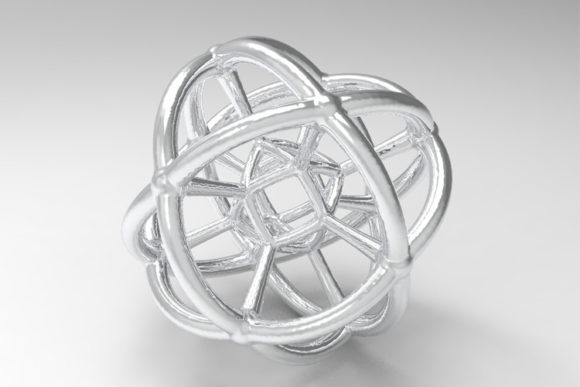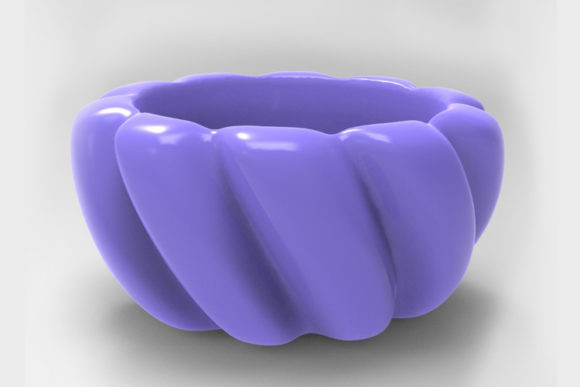
Geometric Houseplant 3D Printing Pot
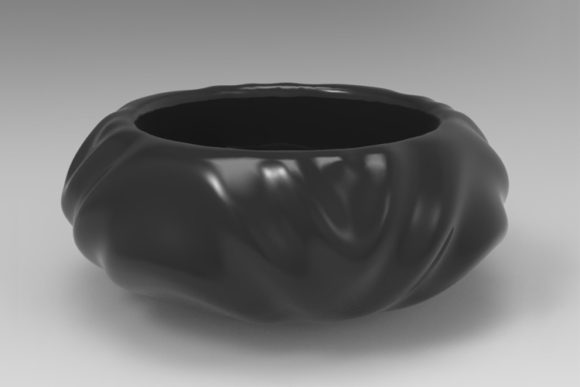
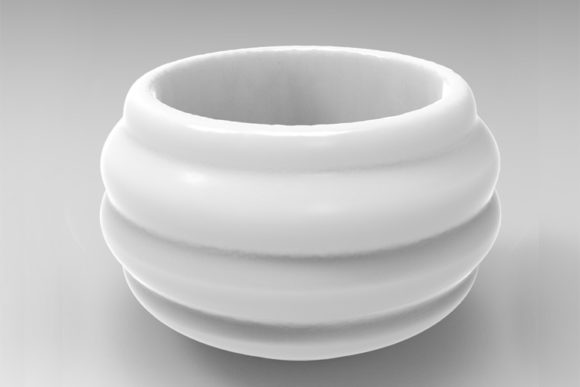
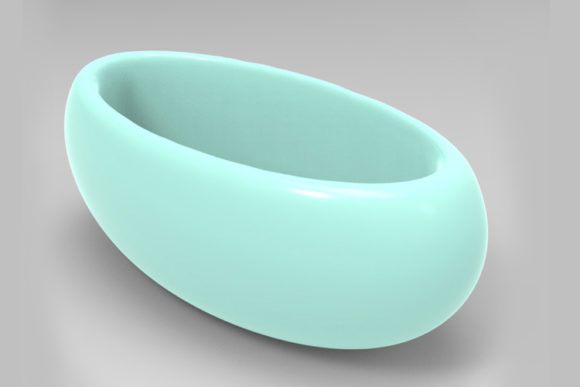
The Geometric Houseplant 3D Printing Pot is more than a container for plants—it’s a fusion of design, sustainability, and customization. Designed with a hollow interior to reduce material use and featuring a wall thickness of 2–3 mm, this 3D-printed pot is both functional and efficient. Whether you're a hobbyist, a small business owner, or a designer exploring product ideas, this model offers a practical starting point for creative exploration.
Why This Design Stands Out
At first glance, the geometric shape brings a modern aesthetic to plant care. But beyond looks, the design is intentional. The hollow center reduces filament usage without compromising structural integrity. For those printing at home or producing in small batches, this translates to cost savings and faster print times.
Each pot is built with dimensional clarity, as shown in the final preview image with measurements in millimeters. This ensures consistency across prints and makes it easier for users to scale or modify the design for different plant sizes.
Creative Possibilities with 3D-Printed Planters
Once you have the base model, the creative potential expands. Here are a few directions to explore:
- Customize the pattern: Use design software to add textures, cutouts, or engravings that reflect your personal style or brand identity.
- Scale for different plants: Adjust dimensions to create a matching set for cacti, air plants, or small ferns.
- Combine with modular designs: Create interlocking pots that fit together to form a living wall or desktop garden.
- Experiment with color: Print with filament in earth tones, pastels, or bold hues to match interior themes or seasonal trends.
Applications Across Industries
This model isn’t just for plant lovers. It serves as a versatile base for various creative and commercial uses:
- For educators: Use the file in design or sustainability classes to teach students about material efficiency, 3D modeling, and eco-conscious product design.
- For entrepreneurs: Offer customized versions online or at local markets. Add engraving services, bundle with small plants, or create seasonal editions.
- For bloggers and content creators: Showcase the process of modifying and printing the design. Share before-and-after photos or time-lapse videos for engaging visual content.
- For freelancers: Use the pot as a portfolio piece to demonstrate your ability to refine and adapt existing 3D models for client needs.
Design Tips for Better Results
Printing a geometric planter might seem straightforward, but small adjustments can significantly improve the outcome:
- Use infill wisely: Since the interior is hollow, keep infill low (around 10–20%) to save material while maintaining strength.
- Choose the right layer height: A 0.2 mm layer height balances print speed and quality for most desktop printers.
- Optimize orientation: Print the pot upright to ensure clean outer surfaces and minimize support structures.
- Test with PLA first: It’s affordable, easy to print, and available in many colors—ideal for prototyping or small batches.
How to Make It Audience-Friendly
If you're sharing or selling your version of the Geometric Houseplant 3D Printing Pot, clarity matters. Here’s how to present your work effectively:
- Include measurements: Make sure dimensions are clearly labeled in images or descriptions so buyers know what to expect.
- Provide print settings: Share recommended layer height, infill percentage, and filament type to help others replicate your results.
- Offer variations: Provide scaled versions or alternative designs to appeal to different user needs.
- Use lifestyle visuals: Show the pot in a real setting—on a desk, in a windowsill, or grouped with other decor—to help viewers imagine using it.
Community and Collaboration
One of the joys of 3D printing is the culture of sharing. Platforms like Thingiverse, MyMiniFactory, and Cults host vibrant communities where designers can upload, remix, and improve upon existing models. The Geometric Houseplant 3D Printing Pot is a great candidate for collaborative innovation.
Consider contributing your modified versions back to the community. You might add drainage holes, adjust the geometry for better airflow, or even design a matching saucer. These small improvements can spark new ideas and benefit others who are just starting out.
From Idea to Product
If you're thinking about turning this design into a small product line, here’s a realistic roadmap:
- Refine the model: Ensure it prints consistently across different machines and materials.
- Test with real users: Get feedback from friends, local makers, or beta customers.
- Create packaging ideas: Even digital downloads benefit from branded visuals and clear instructions.
- List on marketplaces: Etsy, Gumroad, or even your own website can serve as a platform for selling STL files or physical prints.
Remember, small-scale production allows for flexibility. You can respond quickly to trends, personalize orders, and experiment with limited editions to keep your offerings fresh.
Final Thoughts
The Geometric Houseplant 3D Printing Pot is a simple yet powerful example of how design and technology can come together to support creativity, sustainability, and practicality. Whether you’re printing one for your desk or launching a line of custom pots, this model gives you a solid foundation to build from.
Let it inspire you—not just as a planter, but as a canvas for your ideas. With a little imagination and a focus on usability, you can turn this geometric form into something uniquely yours.